
Best Gloves for Snow Shoveling: Tested Picks That Keep Your Hands Warm, Dry, and Gripping
Shoveling is hard on your hands. Wet snow, brutal wind, and a vibrating handle can turn a twenty-minute chore into a miserable one with the wrong pair. Here is how to choose gloves that actually hold up, plus ten strong options worth your money.
Anyone who has cleared a long driveway after a heavy storm knows the moment. Ten minutes in, your fingertips go numb. Twenty minutes in, the lining of your gloves is damp and clammy, and the handle of the shovel feels like a block of ice you are forced to hold. By the time you are done, your hands ache for an hour. None of that is inevitable. A good pair of snow shoveling gloves changes the whole experience, and it usually costs less than a tank of gas.
The tricky part is that shoveling is a strange activity for hands. It is not like skiing, where you grip poles lightly and glide through dry powder. It is not like standing around at a bus stop either. You are working hard, so your hands generate heat and sweat, yet they are also pushed into wet, packed snow over and over again. You need warmth, but not so much that you overheat. You need waterproofing, but also breathability. You need a firm grip on a smooth handle while wearing something thick enough to block the cold. Most gloves are built to solve one of those problems, not all of them together.
This guide walks through what truly matters when you shop, then breaks down ten gloves that hold their own for shoveling, snow blowing, scraping, and general winter yard work. We cover insulation, waterproofing, palm materials, fit, and even the habits that protect your hands once you have the right pair. If you are comparing options beyond shoveling, our roundups of the best waterproof winter gloves make a useful companion.
Why Shoveling Is So Hard on Your Hands
Before picking a glove, it helps to understand exactly what your hands go through during a shoveling session. The job combines three stresses that rarely appear together: cold exposure, moisture, and repetitive mechanical load.
The cold problem is not just temperature
Air temperature gets all the attention, but wind and moisture matter just as much. A calm morning at a few degrees below freezing is easy to handle. Add a steady breeze and the same morning feels dramatically colder on exposed skin and thin fabric. Shoveling also happens at the worst time of day for many people, early morning or just after dark, when temperatures are lowest. Your fingers have the least blood flow of any part of your body, and the body prioritizes your core when it senses cold. That is why hands and feet go numb first, even when you are sweating under your coat.
Moisture is the real glove killer
Dry snow barely touches your gloves. Wet, heavy snow is another story. Every scoop presses against your palm and fingers, and the snow melts on contact with the warm surface. Once water gets into insulation, it conducts heat away from your skin many times faster than dry air does. This is the reason a glove that felt perfectly warm for five minutes can turn cold and soggy by the fifteenth. If you ever finish shoveling with sodden gloves, you will also appreciate our practical advice on how to dry wet gloves so they are ready for the next storm.
Repetitive grip and vibration
Shoveling asks your hands to grip a handle, twist, lift, and throw for a long stretch. A glove that bunches in the palm or slips on the shaft makes that harder, and the extra squeeze needed to hold on fatigues your forearms quickly. If you use a snow blower, you add vibration on top. A glove with sensible padding and a secure palm reduces the strain, especially for people with stiff or arthritic hands.
Why your regular winter gloves may not be enough
Fashion-focused or light commuter gloves often fail at shoveling. Their fabric palms get soaked, their thin insulation compresses, and the cuffs let snow drip in as you reach and lift. Dedicated work gloves, ski gloves, and cold-weather work-style gloves do better because they were built with abuse in mind. The ten picks in this guide cover that range, from ski-style waterproof gloves to rugged leather and coated work gloves.
Quick takeaway: The best snow shoveling glove keeps water out, keeps heat in, and lets you hold a smooth handle without squeezing the life out of it. If a glove does two of those three well, keep looking.
Different snow, different demands
Not all snow behaves the same, and that changes what your gloves need to do. Light, dry powder brushes off and rarely wets your gloves, so warmth and dexterity matter most. Wet, heavy snow packs together, clings to the shovel, and soaks into anything that is not properly sealed. Slush is the hardest of all, because it is basically cold water with a little structure, and it finds every gap in a cuff or seam. Ice and crusted snow add abrasion, scraping the palm and fingertips as you chip and pry. A glove that excels in one of these conditions may struggle in another, which is why so many experienced shovelers own more than one pair.
It is also worth thinking about how long you spend outside. A ten-minute job on a short walkway asks far less of a glove than ninety minutes on a long driveway, a sidewalk, and a set of steps. Longer sessions expose every weakness: leaking seams, compressed insulation, and linings that slowly absorb sweat. When in doubt, choose for your hardest storm rather than your average one.
Want to see what other shovelers are wearing right now?
Browse Snow Shoveling Gloves on AmazonWhat to Look for in Snow Shoveling Gloves
With so many gloves marketed as “winter” gloves, it is easy to buy the wrong thing. These are the features that matter most when your main job is moving snow, in rough order of importance.
1. Waterproof or highly water-resistant construction
This is the single biggest factor. A glove that lets water through will fail, no matter how warm its lining looks on paper. Look for a waterproof membrane or insert, a fully coated shell, or a solid waterproof treatment on the palm. We cover the difference in depth in the next sections, but if you take away one thing, it is that moisture control comes before warmth.
2. Appropriate insulation
Insulation traps warm air around your hand. More is not always better for shoveling, because you are working hard and producing heat. A medium-weight insulated glove is usually the sweet spot for most people. If you tend to run cold or you shovel in very low temperatures, you might lean heavier.
3. A palm that grips wet, slick handles
Shovel handles are made of wood, fiberglass, aluminum, or plastic, and they all get slippery when wet. A textured palm coating, a leather palm, or a grippy synthetic surface keeps you from squeezing too hard. Smooth fabric palms are usually a poor choice here.
4. Durability where it counts
Shoveling grinds the palm and fingertips against hard handles and rough pavement. Reinforced palms, double-stitched seams, and abrasion-resistant materials help a glove last a full season or longer. Cheap seams that open after a few uses are a common reason people end up buying twice.
5. Cuff design
A long, snug cuff blocks snow from falling down your wrist. Some cuffs fit over your jacket sleeve, others tuck under. Over-the-cuff designs are more forgiving when you are throwing snow overhead, while under-cuff designs feel lighter. A drawcord or hook-and-loop closure helps you seal gaps.
6. Dexterity
You still need to zip a coat, pick up your phone, and adjust a snow blower control. A glove thick as a boxing mitt becomes frustrating quickly. Look for pre-curved fingers and flexible materials that let you move naturally.
7. Breathability
Hands sweat during exercise. A glove that traps all of that moisture feels damp from the inside, even if the outside stays dry. Moisture-wicking liners and breathable membranes reduce that clammy feeling and help your hands stay warm for longer.
| Feature | Why it matters | What to look for |
|---|---|---|
| Waterproofing | Wet insulation loses warmth quickly | Waterproof insert, coated shell, sealed seams |
| Insulation | Holds heat without overheating you | Medium weight for most, heavier for extreme cold |
| Palm grip | Prevents over-squeezing a wet handle | Textured coating, leather, grippy synthetic |
| Durability | Handles scrape and snow is abrasive | Reinforced palm, double stitching |
| Cuff | Keeps snow from entering at the wrist | Long cuff with adjustable closure |
| Dexterity | Lets you do small tasks without removing gloves | Pre-curved fingers, flexible materials |
| Breathability | Reduces sweat buildup from hard work | Wicking liner, breathable membrane |
If you only have budget for one great feature, make it waterproofing. You can always layer a thin liner glove underneath for extra warmth, but there is no easy fix for a glove that soaks through.
Common mistakes people make when buying
Most disappointing glove purchases come down to a handful of repeat errors. The first is buying for looks or brand name rather than conditions. A sleek fashion glove might look great, but it will not keep wet snow away from your skin. The second is assuming that thicker always means warmer. A bulky glove that is not waterproof turns into a cold sponge, while a slimmer waterproof glove with decent insulation often feels warmer in practice. The third is ignoring fit: ordering a size by guesswork instead of measuring leads to cold fingertips or cramped hands. The fourth is skipping the cuff, which leaves a gap where snow and wind get in. And the fifth is expecting one pair to do everything for years. Gloves that spend their lives soaking wet and scraping against handles wear out, and planning on a replacement every few seasons is simply realistic.
Avoid these five and you will already be ahead of most buyers. The rest is matching the glove to your own climate, your own storms, and your own hands.
Compare insulated, waterproof work gloves side by side.
See Insulated Waterproof Work GlovesInsulation Without Bulk: Finding the Right Warmth
Choosing insulation is where many people stumble. They buy the thickest glove on the shelf and then spend half the shoveling session with sweaty, overheated hands, only to find their fingers cold again as soon as they stop to rest. Understanding how insulation works helps you avoid that trap.
How insulation works
Insulation does not generate heat. It slows the escape of the heat your hand already produces by trapping a layer of still air. That is why compressed, wet, or flattened insulation performs poorly. The goal is a lining that stays lofty and dry through repeated gripping.
Common insulation types you will see
- Synthetic thermal insulation (such as Thinsulate-style fills): thin, warm for its weight, and still insulating when damp. It is the most common choice for work and ski-style gloves.
- Fleece lining: soft, breathable, and comfortable, but it usually offers less warmth for its thickness and can hold moisture.
- Pile or terry linings: thick and warm, often found in cold-weather work gloves. They trap plenty of air but can feel bulky.
- Quilted or fiber-fill layers: found in many ski-style gloves, offering good warmth with decent flexibility.
If you are weighing two of the most common choices, our comparison of Thinsulate vs fleece gloves goes into more detail on how each performs in real conditions.
Match insulation to your effort and climate
A simple way to think about it is to separate your shoveling style from your climate:
- Light, quick clearing in mild cold: a lightly insulated glove is plenty. You will warm up quickly.
- Standard driveway shoveling in typical winter weather: a medium-weight insulated glove is the safe bet.
- Long sessions in deep cold or high wind: choose heavier insulation, or pair a good glove with a thin liner underneath.
- Snow blower use: you are standing still more than you are moving, so warmth matters more than flexibility. Go heavier.
The sweat trap
Hard work warms you up fast. If your gloves are too insulated and not breathable, sweat builds up inside. When you stop, that sweat cools quickly and your hands feel colder than before. Look for gloves with a moisture-wicking lining, and consider taking brief breaks to let your hands air out when the weather is moderate. If your hands tend to chill even with good gloves, the habits in our guide on how to keep hands warm in extreme cold can help you fine-tune.
Layering for control
One of the most flexible setups for shoveling is a thin, moisture-wicking liner under a waterproof outer glove. On a mild day you can wear the outer glove alone. When the temperature drops, add the liner. This gives you adjustable warmth without buying two separate pairs of heavy gloves.
Rule of thumb: If your hands feel slightly cool when you step outside, the glove is probably right. You will warm up within a few minutes. If they feel perfectly toasty at the start, you will likely overheat once you get going.
A simple warmth guide by conditions
These ranges are only a starting point, since everyone’s circulation, effort level, and tolerance for cold differs. Use them as a loose guide and adjust once you learn how your own hands respond.
| Conditions | Suggested setup | Why it works |
|---|---|---|
| Cool, dry, calm | Light to medium insulated glove | You warm up fast, so extra bulk just causes sweat |
| Cold with wet snow | Waterproof, medium insulation | Keeps insulation dry, which preserves warmth |
| Very cold and windy | Heavy insulation or glove plus liner | Wind strips heat from the back of the hand |
| Long sessions or snow blowing | Warm glove, spare dry pair | Less movement means less self-generated heat |
If you are choosing between a slightly warmer glove and a slightly cooler one, remember that you can always cool down by taking a glove off for a minute, but you cannot easily add warmth to a glove that is too thin once you are stuck outside.
Looking for gloves with proven thermal insulation?
Shop Thermal Insulated GlovesWaterproof vs Water-Resistant: What You Actually Need
The words on the packaging can be misleading. Nearly every winter glove claims some form of weather protection, but the claims vary wildly. Knowing the differences keeps you from paying for performance you will not get.
Water-resistant gloves
Water-resistant gloves have a surface treatment, often a durable water-repellent finish, that makes water bead up and roll off. It works well against light snow, brief exposure, and dry powder. Under sustained contact with wet snow, the treatment wears down and water eventually soaks through. For quick tasks, that is fine. For a long shoveling session in heavy snow, it often is not.
Waterproof gloves
Waterproof gloves block water with a built-in barrier, such as a membrane layer between the shell and lining, or a fully coated surface like latex, nitrile, or polyurethane. The barrier stops water from reaching the insulation even when you press the glove into wet snow. The trade-off is that a waterproof barrier can limit breathability, so sweat has a harder time escaping.
Which one should you choose?
For shoveling, waterproof is the safer choice, particularly if you deal with wet, heavy snow, slush, or spring-like thaw conditions. Water-resistant gloves work if you live somewhere with mostly dry, fluffy snow and you are shoveling in short bursts. We break the distinction down thoroughly in our article on waterproof vs water-resistant gloves, including how to tell what a product is really offering.
| Type | Best for | Weak point |
|---|---|---|
| Water-resistant | Dry powder, short jobs, light flurries | Soaks through in prolonged wet contact |
| Waterproof membrane | Wet snow, long sessions, mixed conditions | Can feel warmer and less breathable |
| Fully coated waterproof | Slush, heavy wet snow, rough work | Less breathable, can feel stiff in the cold |
Seams, cuffs, and the weak points
A waterproof glove can still leak at the seams or the cuff. Pay attention to how the manufacturer addresses those areas. Sealed or taped seams help, and a long cuff that closes over your sleeve keeps snow from running down into the glove. If you plan to reach into deep drifts or clear snow off a car roof, cuff length becomes even more important.
When waterproofing wears out
No waterproof treatment lasts forever. Surface coatings fade, membranes get punctured, and seams stretch. If your once-reliable gloves have started to feel damp, you may be able to refresh them. Our walkthrough on how to waterproof gloves covers the practical options, though a heavily worn pair is often best replaced.
Heads up: A glove can be waterproof and still feel cold if it lacks insulation. Always judge waterproofing and warmth as two separate questions.
Ready to upgrade to a truly waterproof pair?
Shop Waterproof Winter GlovesGrip and Palm Materials: Where the Work Gets Done
You can have the warmest, driest glove in the world and still hate it if it slips on the shovel. The palm is where your hand meets the tool, so it deserves more attention than it usually gets.
Leather palms
Leather is durable, grippy, and conforms to your hand over time. A leather palm stands up to scraping against handles, ice, and rough surfaces. The downside is that untreated leather absorbs water and can stiffen after repeated soaking and drying. Good leather gloves are either treated for water resistance or paired with a waterproof liner. Many people who shovel regularly enjoy leather for its feel and longevity.
Coated palms (latex, nitrile, polyurethane)
Coated palms are common in cold-weather work gloves. The coating adds waterproofing and a textured grip that works well on wet handles. Coated gloves tend to be affordable and effective, though some coatings stiffen in extreme cold and are less breathable than fabric or leather. A foam or crinkle finish usually offers the best traction.
Synthetic leather and grippy textiles
Many ski-style and work gloves use synthetic leather or silicone-printed fabric on the palm. These materials provide good grip, lighter weight, and easier care than natural leather. They are generally more flexible out of the box, though they may wear faster under heavy daily abuse.
Reinforcements to look for
- Reinforced palm padding: eases pressure and absorbs vibration.
- Thumb and index reinforcement: these areas wear fastest.
- Textured fingertips: help when picking up small items or adjusting equipment.
- Knuckle protection: useful if you chip ice or work around obstacles.
Match the handle to the glove
Fiberglass and plastic handles are smooth and can feel slippery with a fabric palm. Wooden handles offer more natural grip but can get splintery over time. Aluminum handles conduct cold, which means your hand loses heat through the glove. A glove with solid insulation in the palm helps in that last case. If you often use a metal shovel in deep cold, favor heavier palm insulation.
Simple test: Hold a smooth tool handle while wearing the gloves and try to twist it. If it spins easily with moderate grip, the palm is too slick for shoveling.
Why grip affects warmth
This surprises people, but grip and warmth are connected. When a glove slips, you instinctively squeeze harder. A hard squeeze compresses the insulation under your fingers and restricts the blood vessels that bring warm blood to your fingertips. The result is colder, more tired hands. A palm that holds the handle securely lets you keep a relaxed grip, which keeps circulation flowing and your forearms fresher. In other words, a good palm quietly improves every other feature on the glove.
It also pays to think about the shovel itself. A shovel with a D-shaped grip or a cushioned handle reduces the pressure on your palm, while an ergonomic bent shaft keeps your wrists in a more natural position. Pairing a well-designed shovel with a well-designed glove gives you the biggest comfort gain for the least money.
Prefer a grippy leather or coated palm for the shovel?
Find Grippy Winter Work GlovesFit and Sizing: Why the Right Size Changes Everything
A glove that is a size too large lets cold air collect in the fingertips and makes gripping clumsy. One that is too small compresses insulation, restricts blood flow, and wears out at the seams. Either mistake makes your hands colder than they should be.
The snug-but-not-tight rule
A winter glove should fit snugly across the palm and knuckles with a small amount of room at the fingertips. That room matters because the air pocket there is what keeps fingers warm. If your fingers press against the end of the glove, the insulation flattens and the cold gets through.
Measuring your hands
Wrap a flexible tape measure around your dominant hand, just below the knuckles and excluding the thumb. That circumference in inches is generally your glove size. Compare it against the manufacturer’s size chart, since cuts vary by brand. We lay out the process step by step in our guide to how to measure hand size for gloves.
Allow for a liner
If you plan to wear a thin liner underneath, try the gloves on over a liner when you can, or consider sizing up when you are between sizes. The liner adds bulk, and a tight outer glove squeezes out the warmth you are trying to add.
Women’s, men’s, and unisex sizing
Many work gloves are cut for larger hands and can feel loose on smaller hands. If you fall between sizes or have narrow hands, look at the size chart carefully and read reviews that mention fit. Several gloves in this guide come in a wide range of sizes, but always confirm the specifics on the product page.
Signs of a bad fit
- Fingers feel numb or tingly after a few minutes, which suggests it is too tight.
- The glove slides around on the handle or bunches in the palm, which suggests it is too loose.
- Fingertips are empty and flop at the ends, which suggests it is too long.
- The thumb crotch binds when you grip, which suggests the pattern does not suit your hand.
Pro tip: Try gloves on after a day of normal activity. Hands swell slightly through the day, and a glove that fits perfectly first thing in the morning may feel tight later.
Cuff styles and how they affect fit
Fit is not only about the hand. The cuff decides how well the glove works with your jacket. An over-the-cuff design is long, usually has a drawcord or strap, and goes over the end of your sleeve. It does the best job of keeping snow out when you are reaching, lifting, and throwing overhead. A short, under-the-cuff design tucks beneath the sleeve and feels lighter, but it leaves more chance for snow to find a gap. If you shovel in deep, drifting snow, or if you regularly reach into piles, lean toward the longer cuff. If you mostly push snow along a flat surface, a shorter cuff may feel more comfortable.
Check how the closure feels, too. Hook-and-loop straps are easy to adjust with one hand, while elastic cuffs are simple and snag-free but less customizable. Whatever you pick, make sure you can operate it while wearing the glove, because fumbling with a tiny toggle in freezing weather gets old fast.
Browse gloves in a full range of sizes.
Find Your Size on AmazonOur Top Picks at a Glance
Here are the ten gloves covered in this guide, organized by what each one does best. Details on every pair follow in the next three sections. Always double-check current features, sizes, and pricing on the product page, since manufacturers update their designs.
| Glove | Best for | Style | Check price |
|---|---|---|---|
| TRENDOUX Winter Ski Snow Gloves | All-around everyday value | Ski-style, waterproof | View |
| OZERO Waterproof Winter Gloves | Budget warmth with leather feel | Insulated, waterproof | View |
| HANDLANDY Waterproof Ski Gloves | Light, flexible dexterity | Ski-style, waterproof | View |
| Carhartt Waterproof Insulated Gloves | Rugged job-site toughness | Work, waterproof insert | View |
| Wells Lamont 1108XL Leather Work Gloves | Classic leather durability | Leather work glove | View |
| Toolant Waterproof Insulated Work Gloves | Heavy use with touchscreen ease | Insulated work | View |
| SHOWA TEMRES 282-02 | Wet, cold, demanding conditions | Coated, insulated | View |
| G&F Products 1628 Waterproof Winter Work Gloves | Slushy, wet jobs on a budget | Coated winter work | View |
| SKYDEER Leather Palm Winter Gloves | Grip with a leather palm | Leather palm, insulated | View |
| Mechanix Wear ColdWork Original | Dexterity in the cold | Fitted, insulated | View |
Quick picks by need
- Best overall for most people: TRENDOUX Winter Ski Snow Gloves, a balanced mix of warmth, waterproofing, and price.
- Best for tough, repeated use: Carhartt Waterproof Insulated Gloves, built for hard work.
- Best for wet, slushy snow: SHOWA TEMRES 282-02, a fully coated design that handles wet conditions.
- Best for dexterity: Mechanix Wear ColdWork Original, close fitting and nimble.
- Best classic leather option: Wells Lamont 1108XL, a traditional work glove approach.
- Best budget-friendly pick: OZERO Waterproof Winter Gloves, warmth without a high price.
A note on specs: Manufacturers revise materials, linings, and sizing from time to time, so confirm details on the current product page before buying. The descriptions here focus on how each style of glove performs for shoveling.
A short buying checklist
Before you click buy on any pair, run through these questions. If you can answer yes to most of them, you have probably found a keeper.
- Is it waterproof, or at least built to handle sustained wet snow?
- Does the insulation level match your coldest regular shoveling conditions?
- Is the palm textured or leather so a wet handle will not spin in your hand?
- Does the size chart match your measured hand, with a little room at the fingertips?
- Does the cuff close securely over or under your jacket sleeve?
- Are the seams and palm reinforced where wear happens first?
- Do recent buyers mention that the glove stayed dry and kept its shape after a full season?
That last point is worth taking seriously. Reviews that mention several weeks or months of real winter use tell you far more than first impressions do. Look for patterns, such as many people mentioning leaks at the seam or palm wear-through, rather than one-off complaints.
How we approached these picks
Rather than ranking gloves by a single score, we grouped them by the job they do best. We looked at how each design handles moisture, how much insulation it is built to carry, what kind of palm it uses, how it is cut for movement, and what real-world owners tend to say after a full season of use. A glove that is brilliant for a quick walkway job may be a poor fit for a long, wet driveway, and the reverse is just as true, so you will see the same traits come up again and again in the reviews. Because manufacturers update linings, materials, and sizing from time to time, treat the descriptions as a guide to the style of each glove and confirm current details on the listing before you order.
See the full range of winter work and ski-style gloves.
Compare Top Picks on AmazonBest Everyday and Budget Picks for Shoveling
Most homeowners do not need a pair of gloves built for a construction crew. They need something warm, waterproof, comfortable, and affordable that survives a season or two of driveway duty. These three gloves lean toward that practical middle ground, with ski-style construction and an easier price tag.

TRENDOUX Winter Ski Snow Gloves
The TRENDOUX gloves are a good example of why ski-style gloves have become a favorite for shoveling. They combine a waterproof outer, insulated lining, and a cuff that cinches closed over a jacket sleeve, which keeps snow from sneaking in as you lift and throw. Many shovelers like the touchscreen-friendly fingertips too, since you can check your phone or adjust a snow blower display without peeling a glove off.
For standard driveway clearing, these hit the sweet spot between warmth and mobility. The fit is more flexible than a stiff work glove, which makes gripping a shovel handle feel natural, and the palm grip is designed for slick surfaces. They are a strong pick if you want a single pair to cover shoveling, scraping the car, building snowmen with the kids, and the occasional day on the slopes.
Where they fall slightly behind heavy work gloves is in ruggedness. If you drag a metal shovel across rough concrete all winter, a ski-style palm can wear faster than a leather or coated work palm.
Pros
- Waterproof, ski-style construction
- Flexible fit for easy gripping
- Touchscreen-friendly fingertips
- Versatile beyond shoveling
Cons
- Palm may wear faster under heavy daily abuse
- Less rugged than dedicated work gloves

OZERO Waterproof Winter Gloves
OZERO has built a following by offering warm, waterproof gloves at friendly prices, and this pair is a solid example. It uses a leather-style palm for grip and durability, a waterproof layer to keep moisture out, and a thick thermal lining for cold mornings. For many people, that is exactly what a shoveling glove needs to do.
These work especially well if you tend to run cold or you shovel in the early morning when temperatures are lowest. The insulation leans warm, so you may find them best suited to genuinely cold days rather than mild ones. On a milder day you may find your hands warming up quickly, in which case a lighter glove or a thinner liner may be more comfortable.
Because they are priced well below premium work gloves, they are also a sensible choice if you want a spare pair for guests, kids, or a second vehicle, or if you simply do not want to spend a lot on gloves that will get wet and muddy.
Pros
- Strong warmth for the price
- Waterproof construction
- Grippy leather-style palm
- Good value as a spare pair
Cons
- Can run warm on mild days
- Less dexterity than thinner designs

HANDLANDY Waterproof Ski Gloves
If thick gloves leave you feeling clumsy, the HANDLANDY ski gloves are worth a look. They follow the same waterproof, insulated formula as other ski-style gloves, with an emphasis on a lighter feel and freedom of movement. That matters if you do more than shovel, for example if you also run the snow blower controls, carry groceries, or unlock a car in the cold.
For shoveling, the lighter build is an advantage during active work. You generate plenty of heat, and a less bulky glove lets your hands breathe while still blocking water. It also makes the grip feel more precise, which can reduce arm fatigue over a long session.
The trade-off is that a lighter glove will not match the warmth of a heavy work glove in extreme cold. If you often shovel in very low temperatures or stand still for long stretches, you may want to layer a liner underneath or choose a heavier option from later in this guide.
Pros
- Lighter, more flexible feel
- Waterproof outer
- Good for tasks that need dexterity
- Comfortable for active work
Cons
- Not the warmest in extreme cold
- May need a liner for long, still sessions
Who should choose a ski-style glove?
If your shoveling is mostly a driveway and walkway job with the occasional spell of heavy storms, ski-style gloves offer the best mix of comfort, price, and versatility. They are also a smart choice for people with smaller hands, kids helping out, or anyone who finds stiff work gloves tiring. For more waterproof options beyond these, our guide to the best waterproof winter gloves expands the field.
Want more everyday ski-style options?
Browse Ski-Style Snow GlovesBest Heavy-Duty Work Gloves for Serious Shoveling
If you shovel a long driveway, clear snow for a business, or simply want gloves that survive years of rough treatment, work gloves are the way to go. They tend to be tougher, more abrasion resistant, and better suited to frozen ground, ice, and rough tools. Expect slightly less flexibility than a ski glove, but much better longevity.

Carhartt Waterproof Insulated Gloves
Carhartt is a name most people associate with durable workwear, and these gloves carry that reputation into winter. They pair an insulated lining with a waterproof insert and a tough outer shell designed to handle a hard day outside. The construction is meant for people who use their hands all day in the cold, which makes them a natural fit for sustained shoveling.
You get a confident, secure feel on the handle, plus reinforcement in wear-prone areas. The waterproof layer helps keep snow and slush from reaching the insulation, so your hands stay drier through long sessions. Because they are built like work gloves, they also handle splitting wood, hauling firewood, and general yard work without complaint.
Expect a slightly bulkier feel than a ski glove. That bulk is the cost of durability and warmth, and many people find it worthwhile. If you want something that will survive multiple seasons of hard use, this is a leading choice.
Pros
- Tough, work-ready construction
- Waterproof insert with insulation
- Reinforced for heavy use
- Useful for other winter chores
Cons
- Bulkier than ski-style gloves
- Higher price than basic options
Wells Lamont 1108XL Leather Work Gloves
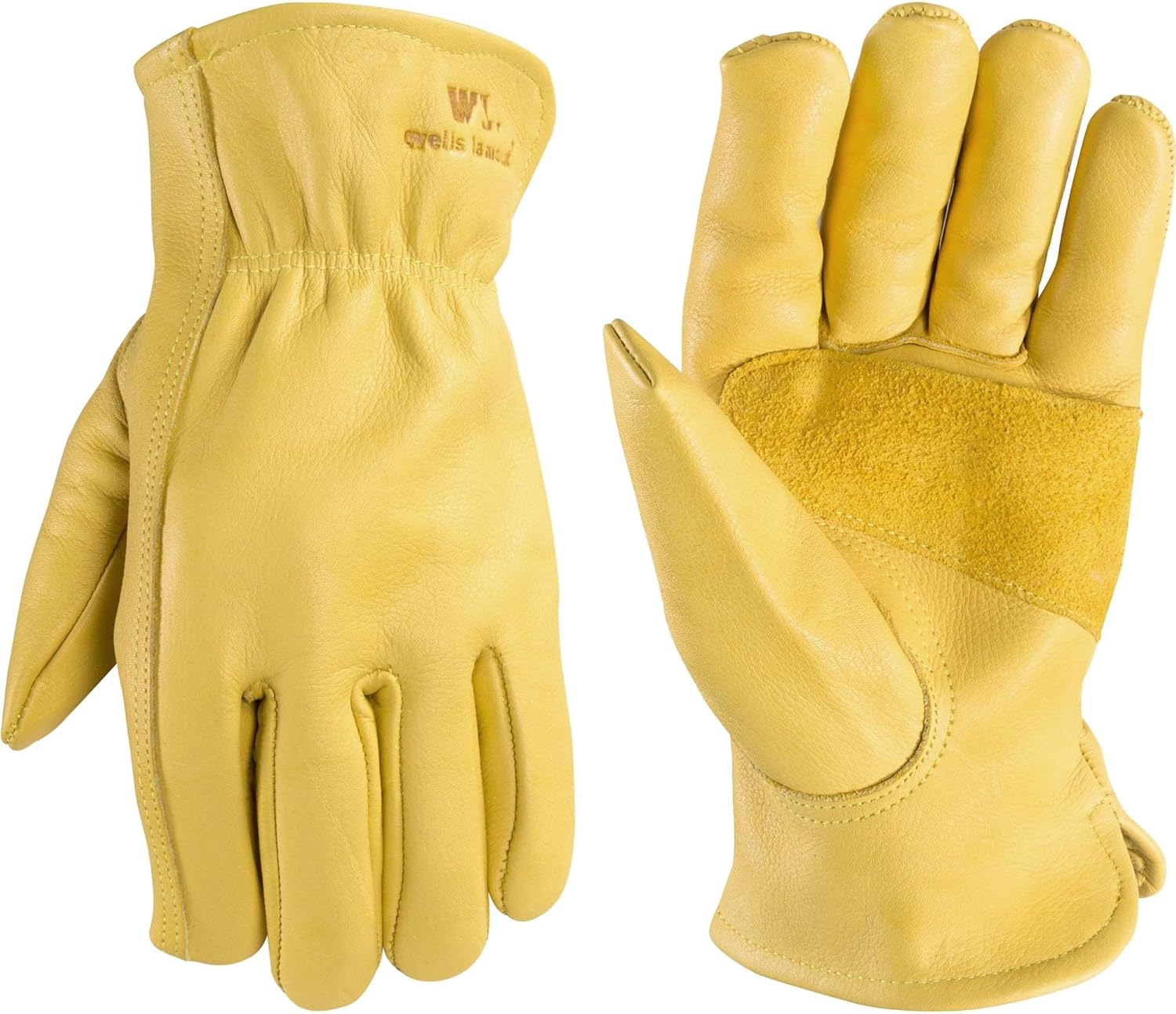
Wells Lamont has made work gloves for a long time, and the 1108XL reflects a traditional leather work glove approach. Leather offers excellent grip on a shovel handle, molds to your hand with use, and shrugs off the abrasion that destroys cheaper fabric palms. For people who like the broken-in feel of leather, this is a comfortable and long-lasting choice.
As with any leather glove, the key is managing moisture. Leather that stays wet for long periods can stiffen as it dries, and it does not offer the sealed waterproofing of a membrane or coated glove. That makes it a better match for drier snow, shorter sessions, or cold days with powder rather than slush. If you plan to use it in wetter conditions, treating the leather with a waterproofing product helps considerably.
Check the current product description for the exact insulation and lining level, since it affects how warm the glove feels in deep cold. Pair it with a thin liner on very cold days if needed.
Pros
- Durable leather construction
- Excellent, natural grip
- Molds to your hand over time
- Good for general yard work
Cons
- Not fully waterproof without treatment
- Can stiffen after repeated soaking

Toolant Waterproof Insulated Work Gloves
The Toolant work gloves aim to combine the toughness of a work glove with the convenience of modern features. They offer waterproof construction, insulation for cold days, and a palm designed to grip tools securely. Touchscreen-friendly fingertips let you handle your phone without exposing your skin to the cold, which is a small but real convenience on a snowy morning.
For shoveling, these are a strong middle option between lighter ski gloves and heavy-duty work gloves. They stand up to rough handles and rough surfaces while keeping water out, and the insulation is aimed at cold conditions. They also work well for other winter jobs such as clearing gutters, hauling wood, or scraping ice.
As with most work-style gloves, they feel a bit stiffer out of the box and may need a short break-in period. Once that happens, they tend to conform nicely to your hand.
Pros
- Waterproof and insulated
- Work-ready grip
- Touchscreen-friendly fingertips
- Versatile for winter chores
Cons
- Stiffer until broken in
- Bulkier than ski-style options
Is a work glove the right choice?
If you spend a lot of time clearing snow, or if your winter chores extend to chopping wood, hauling supplies, and general outdoor repairs, a work glove earns its keep. The extra durability means you replace them less often, which can offset a higher initial price. If you want a broader look at tough cold-weather options, see our roundup of the best winter work gloves.
Looking for gloves built to last the whole season?
Shop Heavy-Duty Winter GlovesBest Gloves for Wet Snow and Extreme Cold
Some storms are simply nastier than others. Heavy, wet snow, slush at the end of the driveway, and bitter cold with wind call for gloves that prioritize protection and dexterity in tough conditions. These four stand out for handling the harsh end of the spectrum, whether through fully coated waterproofing, a leather palm, or a precise cold-weather fit.

SHOWA TEMRES 282-02
SHOWA is well known in the world of coated work gloves, and the TEMRES 282-02 is aimed squarely at cold, wet work. The coated, waterproof construction keeps slush and wet snow outside, and the thermal lining is designed to hold warmth when the temperature drops. It is the kind of glove people choose when they work outdoors in winter for a living, such as landscapers, municipal crews, and fishermen.
For shoveling, the fully coated design is a real advantage in wet, slushy snow. Water has few places to enter, and the textured palm helps you hold on to a slippery handle. If your region gets heavy, wet storms that turn a driveway into a slushy mess, this is one of the most capable options in the lineup.
Coated gloves tend to be less breathable than fabric or leather, so hands can feel damp from sweat during intense work. Take a break now and then to let them cool, and consider a moisture-wicking liner if you sweat heavily.
Pros
- Fully coated, built for wet conditions
- Thermal lining for cold work
- Good grip on wet handles
- Made for demanding outdoor jobs
Cons
- Less breathable than fabric gloves
- Can feel stiff in the deepest cold

G&F Products 1628 Waterproof Winter Work Gloves
The G&F Products 1628 takes the coated-glove idea and puts it at an easy price. A waterproof coating over a warm lining makes it practical for shoveling wet snow, scraping ice, and handling the sort of messy jobs that wreck a nicer pair. Many people buy a couple of pairs and rotate them, so a dry pair is always ready.
This is a smart choice if you want reliable waterproofing without a premium price tag. The grip on a wet shovel handle is generally solid, and the coating shrugs off slush. Because it is a simple, no-frills design, you give up some of the refined fit and extra features of pricier gloves.
Like other coated gloves, it is less breathable, and the coating can stiffen when it gets very cold. If you tend to work up a sweat, consider wearing a thin liner underneath for comfort.
Pros
- Waterproof coating at a friendly price
- Practical for slush and wet snow
- Easy to rotate between pairs
- Solid grip when wet
Cons
- Less breathable
- Fit and finish are simpler than premium gloves

SKYDEER Leather Palm Winter Gloves
SKYDEER pairs a leather palm with an insulated winter body, giving you the grip and durability of leather where you need it most. A leather palm stands up to repeated contact with shovel handles and rough surfaces, and the rest of the glove adds warmth and weather protection. That makes it a comfortable choice for people who like how leather feels but want more insulation than a basic work glove.
For shoveling, the leather palm gives a secure, confident hold, and the insulated back of the hand keeps the cold at bay. It is a good fit for drier snow and general winter chores. In very wet conditions, check the product details for how the glove handles moisture, and consider treating the leather to extend its life.
If you want leather grip without the stiffness of an all-leather work glove, this style is a practical compromise.
Pros
- Durable leather palm
- Secure, natural grip
- Insulated for winter conditions
- Comfortable for everyday chores
Cons
- Leather needs care to resist moisture
- Check specs for waterproofing level

Mechanix Wear ColdWork Original
Mechanix Wear is famous for form-fitting gloves that let you work with tools and small parts, and the ColdWork Original brings that approach to cold weather. The close fit and flexible materials give you outstanding control, so you can adjust a snow blower, handle a zipper, or pick up a dropped key without taking the glove off.
For shoveling, the fitted design feels natural and reduces fatigue, because there is no excess material bunching in your palm. It is a very comfortable choice for light to moderate snow and for people who value feel over bulk. Its insulation is geared toward working in the cold, though it is not designed like a heavy, fully sealed waterproof glove.
If you shovel in very wet snow, consider this as a warm, nimble glove for drier conditions or for layering plans, and check the current product details to confirm its weather protection. For deep, wet storms, one of the coated or waterproof gloves above may be more suitable.
Pros
- Excellent dexterity and feel
- Fitted, comfortable design
- Insulated for cold-weather work
- Great for tasks beyond shoveling
Cons
- Not a sealed waterproof glove
- Less suited to heavy slush
How to decide in wet or brutal conditions
If your main concern is wet snow and slush, lean toward coated or fully waterproof gloves such as the SHOWA or G&F. If grip and leather durability matter most, look at the SKYDEER. If you value fine control over maximum waterproofing, the Mechanix is the one to try. Many people end up keeping two pairs: a fitted, nimble glove for dry days and a coated glove for storms.
Why two pairs beat one
If you are serious about staying comfortable, owning two pairs of gloves is one of the smartest moves you can make. Having a second pair means you can always start a job with dry, warm gloves, and it means you are never stuck waiting for damp gloves to dry before the next storm arrives. A common setup is to pair a fitted, flexible glove for light snow and daily tasks with a coated or waterproof glove reserved for heavy, wet storms. That way each pair does the job it is best at, and both last longer because they spend less time soaking wet.
Two pairs also makes the cost of quality easier to justify. Spreading wear across two gloves can mean each lasts well beyond what a single pair would, so the extra spend often pays for itself within a couple of winters.
Need gloves that can handle slush and bitter cold?
Shop Coated Winter GlovesShoveling Smarter: Protecting Your Hands (and the Rest of You)
Great gloves help, but a few simple habits make a bigger difference than most people expect. These tips keep your hands warmer, your grip stronger, and your body in better shape through the season.
Warm up before you go out
Start with warm hands. Spend a minute flexing your fingers indoors, and put on your gloves while you are still inside so the lining is not starting cold. Stepping outside with chilled gloves forces your hands to spend precious heat warming them up.
Keep a spare pair ready
Even the best waterproof glove can wet out during a long storm. Keeping a dry pair by the door means you can swap mid-job. Rotating two pairs also extends the life of both, because each one gets time to dry fully between uses.
Take short breaks
Shoveling is demanding exercise. Pausing every ten to fifteen minutes lets your heart rate settle and gives sweaty hands a moment to air out. If your fingers start to feel numb or painful, stop and warm them rather than pushing through. Pain and numbness are your body’s warning signals.
Use your legs, not your hands, to do the lifting
Bend your knees, keep the load close, and avoid twisting your back. A relaxed grip lets blood flow to your fingers, which keeps them warmer. Squeezing the handle tightly restricts circulation and tires your forearms. Slide a hand down the shaft for leverage, and let the shovel do the work.
Push, then lift
Pushing snow when you can, rather than lifting it, saves energy and reduces strain. Clear in layers during heavy snowfalls rather than waiting for a deep pile to form. Lighter loads mean less effort and less risk of hand and wrist fatigue.
Mind your cuffs and sleeves
Tuck snow-proof cuffs over your jacket sleeve so snow cannot slide down. If you wear under-cuff gloves, make sure the sleeve overlaps the glove. A gap at the wrist is one of the most common ways for snow to get in and for cold to creep up your arms.
Know when it is too cold
Extreme cold calls for extra caution. If you are unsure how much you can safely tolerate, shorten your sessions, add a liner, and use a hand warmer tucked into the back of your glove. Our in-depth tips on how to keep hands warm in extreme cold cover more strategies for brutal days.
Safety note: Heavy snow shoveling is strenuous and can stress your heart. If you have health concerns, ask your doctor before taking on large amounts of snow, and stop right away if you feel chest pain, dizziness, or unusual shortness of breath.
Clearing different surfaces
Walkways, steps, and driveways each call for a slightly different approach. On concrete or asphalt, a shovel with a smooth edge slides easily and you can push most of the snow. On brick, stone, or decks, go gently, since the force of a scraping shovel travels straight into your hands and wrists. On steps, work from the top down and take small scoops, because uneven footing makes heavy lifting riskier. In each case, keep your grip relaxed, keep your gloves dry, and remember that sprinkling a little de-icer after you clear helps stop a fresh layer of ice from forming, which means less scraping next time.
If you use a snow blower, wear gloves that match the vibration and the standing-still nature of the job. Your hands stay in one position, hold a vibrating control, and generate less warmth, so heavier insulation and a bit of palm padding make a noticeable difference. Keep a pair of thinner gloves handy for adjusting chutes and clearing jams, but only after the machine is fully off and the blades have stopped.
Add a thin liner or hand warmers to your setup.
Shop Liners and Hand WarmersCare and Longevity: Making Your Gloves Last
A good pair of gloves is an investment, and a few minutes of care at the end of each storm can add seasons to their life. The basics are simple: dry them properly, clean them gently, and protect them from heat and damage.
Dry them the right way
Never leave damp gloves in a heap by the door or in a closed bag. Turn them inside out if the lining allows, spread the fingers, and let them dry in a well-ventilated space at room temperature. Avoid placing them directly on a radiator or near a heater, since excess heat can crack leather, damage coatings, and shrink linings. If your gloves get properly drenched, our detailed advice on how to dry wet gloves covers the safest methods.
Clean them gently
Salt, dirt, and sweat break down materials over time. Wipe the outside with a damp cloth after a salty day, and follow the manufacturer’s washing instructions for the lining. Harsh detergents and hot water can damage waterproof layers and coatings. Check each product’s care label before you wash anything.
Condition leather
Leather benefits from occasional conditioning and a water-repellent treatment, especially if you shovel often in wet snow. Let leather dry naturally, then apply a suitable conditioner to keep it supple and prevent cracking.
Refresh water repellency
Over time, surface treatments wear off. If water stops beading on the surface, a re-treatment product can restore some water resistance on fabric gloves. Coated or membrane gloves cannot always be revived, but keeping them clean helps them perform better for longer.
Store them well
At the end of winter, make sure gloves are completely dry and clean, then store them somewhere cool and dry. Avoid compressing them under heavy objects, which flattens the insulation. A breathable bag keeps dust off without trapping moisture.
Know when to replace them
Replace gloves when the palm wears through, seams split open, insulation clumps, or waterproofing fails and cannot be restored. Using a worn-out glove costs you warmth and grip, and cold hands are not worth saving a few dollars. Keep a backup pair in the car so you are never caught without one.
| Glove material | Drying | Cleaning | Extra care |
|---|---|---|---|
| Ski-style synthetic | Air dry, inside out if possible | Spot clean or follow the label | Refresh water repellent as needed |
| Leather | Slow air dry, no direct heat | Wipe with a damp cloth | Condition and treat for water |
| Coated work gloves | Air dry, fingers spread | Wipe or rinse as directed | Avoid heat, which can damage coatings |
A quick after-storm routine
The best habit you can build is a thirty-second routine when you come inside. Knock off loose snow before you step through the door, take the gloves off right away, pull out the liners if they come out, and set everything somewhere airy to dry. Wipe off any salt residue if the roads were treated. If a glove is soaked through, stuff it loosely with a dry towel for a short time to pull out moisture, then let it finish drying in the open air. Done consistently, this routine prevents the sour smell, stiff leather, and cracked coatings that send many gloves to an early grave. For a deeper clean when they eventually need it, our walkthrough on how to wash winter gloves explains the gentle way to do it.
Pick up a spare pair so one is always dry and ready.
Grab a Backup PairFrequently Asked Questions
What are the best gloves for snow shoveling?
The best gloves for snow shoveling are waterproof, insulated, and grippy. Ski-style gloves like the TRENDOUX or OZERO suit most homeowners, while rugged work gloves like Carhartt or a coated design like SHOWA TEMRES handle heavy, wet storms and frequent use.
Should snow shoveling gloves be waterproof?
Yes, in most cases. Wet snow melts against your glove and soaks through anything that is not waterproof, and wet insulation loses warmth quickly. If you only deal with dry powder in short bursts, water-resistant gloves may be enough.
How warm should shoveling gloves be?
Medium-weight insulation works for most people because shoveling generates heat. Choose heavier insulation for deep cold, windy conditions, or long sessions where you stand still, such as running a snow blower.
Are leather gloves good for shoveling snow?
Leather offers excellent grip and durability, but untreated leather can soak through and stiffen after repeated wetting. They work best for drier snow or when treated for water resistance, or when combined with a waterproof liner.
Is it better to wear mittens or gloves for shoveling?
Mittens keep fingers warmer because they share heat, but they reduce dexterity and can make gripping a handle less secure. Gloves offer better control, so most people prefer them for shoveling, adding a liner when the cold is extreme.
Can I wear ski gloves to shovel snow?
Absolutely. Ski gloves are waterproof, insulated, and flexible, which suits shoveling well. They may wear faster than leather or coated work gloves if you shovel rough surfaces daily, but they are comfortable and versatile.
Why do my hands get cold even with thick gloves?
Common causes include damp linings from sweat or leaks, a fit that is too tight and compresses insulation, poor circulation from gripping too hard, and wind exposure at the cuff. Fixing the fit, keeping gloves dry, and relaxing your grip often helps.
What size glove should I buy for shoveling?
Choose a snug fit across the palm with a little room at the fingertips for an insulating air pocket. If you plan to wear a liner, try gloves on with it, or size up if you are between sizes. Our guide on how to measure hand size for gloves walks through the process.
How can I keep my hands from sweating while shoveling?
Choose breathable gloves with a moisture-wicking lining, avoid overly insulated gloves for mild days, and take short breaks to let your hands cool. A thin liner under a waterproof glove also helps manage moisture.
How long do snow shoveling gloves last?
That depends on materials and use. Budget gloves may last a season or two, while rugged leather and work gloves can last several seasons with good care. Rotating two pairs and drying them properly extends their life.
Can I wash my winter gloves?
Many can be cleaned gently, but harsh detergents and heat can damage waterproof layers, coatings, and leather. Always follow the care label and air dry them. Wipe-cleaning is often the safest routine option.
What should I do if my hands go numb while shoveling?
Stop, go inside, and warm your hands gradually with warm, not hot, water or by tucking them against your body. Do not ignore persistent numbness or pain. If it does not improve, seek medical advice.
Final Verdict: Which Gloves Should You Shovel In?
The right gloves turn snow shoveling from something you endure into something you simply get done. The important traits are consistent across every winner in this guide: reliable moisture protection, insulation matched to your climate and effort, a palm that holds on to a slick handle, and a fit that leaves a little room for warm air.
For most households, the TRENDOUX or OZERO gloves deliver the best balance of warmth, waterproofing, and price. If you are tough on gear or shovel often, Carhartt, Toolant, and the classic Wells Lamont leather gloves are built to last. If your storms arrive wet and heavy, the coated SHOWA TEMRES and G&F Products 1628 will keep slush where it belongs. For people who value dexterity, HANDLANDY and Mechanix Wear ColdWork Original keep your fingers nimble, and the SKYDEER leather palm adds a durable, grippy hold.
Whichever you choose, keep a dry spare pair ready, dry your gloves properly after every storm, and take breaks when your hands tell you to. A few smart choices now mean warm, comfortable hands every time the snow starts to fall.